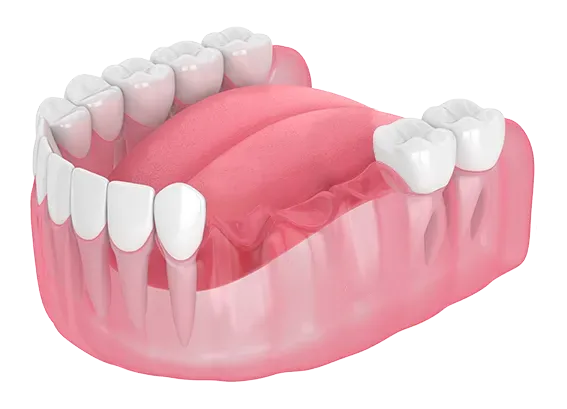
Losing a tooth can be upsetting, but many people assume it is not an urgent problem—especially if the missing tooth is not visible when they smile. While it may be tempting to delay treatment, even a single missing tooth can trigger a series of changes throughout your mouth. Over time, these changes can affect your jawbone, surrounding teeth, bite alignment, and overall oral health.
The sooner a missing tooth is replaced, the more options you may have available and the easier treatment may be. Understanding what happens after tooth loss can help you make informed decisions about restoring your smile.
Your Jawbone Begins Changing Soon After Tooth Loss
One of the most significant consequences of losing a tooth occurs beneath the gumline. Your jawbone relies on stimulation from tooth roots during chewing to maintain its strength and density. When a tooth is lost, that stimulation disappears.
In the months following tooth loss, the body begins to resorb, or break down, the bone that once supported the tooth. While the rate of bone loss varies from person to person, studies have shown that significant changes can occur during the first year after extraction.
As the jawbone shrinks, it can affect the appearance of your smile and facial structure. Bone loss may also make future tooth replacement more complicated, potentially requiring procedures such as bone grafting before a dental implant can be placed.
Neighboring Teeth Can Begin to Shift
Your teeth work together as a complete system. Each tooth helps maintain proper spacing and alignment within the dental arch. When a tooth is missing, the surrounding teeth often begin drifting into the empty space.
This movement may happen gradually, making it difficult to notice at first. However, over time, shifting teeth can create several problems, including:
- Crooked or uneven tooth alignment
- New gaps between teeth
- Difficulty cleaning certain areas
- Increased risk of tooth decay and gum disease
- Changes in the way teeth come together when biting
Replacing a missing tooth promptly helps preserve the natural positioning of your remaining teeth and reduces the likelihood of future orthodontic or restorative concerns.
Your Bite Can Become Unbalanced
Every tooth plays an important role in distributing chewing forces evenly throughout the mouth. When a tooth is missing, nearby teeth often absorb additional pressure that they were not designed to handle.
This imbalance can affect your bite and lead to excessive wear on certain teeth. Some patients may experience jaw discomfort, muscle fatigue, or difficulty chewing certain foods comfortably.
Over time, an uneven bite can contribute to more extensive dental issues that may require comprehensive restorative treatment to correct.
The Opposing Tooth May Move as Well
Many patients are surprised to learn that the tooth opposite a missing tooth can also be affected. Teeth naturally seek contact with opposing teeth during chewing. When that contact disappears, the opposing tooth may begin to move out of position.
This process, known as supereruption, occurs when a tooth gradually extends into the empty space left by the missing tooth. Supereruption can interfere with normal bite function and create challenges when restoring the missing tooth later.
Addressing tooth loss early helps prevent these unwanted changes from developing.
Future Treatment May Become More Complex
Delaying tooth replacement does not necessarily eliminate treatment options, but it can make treatment more involved. As bone loss progresses and teeth shift, restoring the area may require additional procedures before a long-term solution can be completed.
For example, a patient who initially qualifies for straightforward implant placement may later require:
- Bone grafting procedures
- Orthodontic treatment to reposition teeth
- Additional restorative work
- More extensive treatment planning
Seeking treatment sooner often allows for simpler and more predictable outcomes.
Modern Tooth Replacement Options Can Restore Function and Appearance
Fortunately, today’s restorative dentistry offers several effective solutions for replacing a missing tooth. Depending on your needs, treatment options may include dental implants, dental bridges, or other custom restorations.
Dental implants are often considered the gold standard for single tooth replacement because they replace both the visible portion of the tooth and the root beneath the gumline. This helps preserve jawbone health while restoring natural appearance and function.
Dental bridges can also provide an effective solution for restoring chewing ability and filling gaps in your smile. The best treatment option depends on factors such as your oral health, bone levels, and long-term goals.
Don’t Wait to Address Tooth Loss
A missing tooth may seem like a small issue initially, but the effects can extend far beyond the empty space in your smile. Bone loss, shifting teeth, bite changes, and future treatment complications often become more significant as time passes.
If you have recently lost a tooth or have been living with a missing tooth for some time, scheduling a consultation can help you understand your options. Replacing a missing tooth sooner rather than later can protect your oral health, preserve your smile, and help you avoid more complex treatment in the future.