Have you ever wondered what the best way is to fix all your teeth? Are you tired of missing teeth or struggling with removable dentures? Conventional dentures are a traditional option for replacing missing teeth, but they often lack the stability and retention of implant-supported solutions. You’re not alone.
Many patients at Dental Implant Center at Walnut CreekThis link leads to Home page come to us seeking a solution to restore their smiles and confidence. Whether you’re missing a single tooth or need full mouth dental implantsThis link leads to Dental Implants page, the good news is there are options available that can transform your smile permanently. Dr. Quincy GibbsThis link leads to Dr. Gibbs’ page has years of expertise in implant dentistry, and he’s here to help you understand how you can achieve a beautiful, functional smile with dental implants.
In this article, we’ll explore the best ways to fix missing teeth, including dental implantThis link leads to Dental Implants page surgery, full mouth dental implants, and the benefits of implant therapy. Dental prosthetics, sometimes referred to as false teeth, are available in several forms, and we’ll clarify these options to help you make an informed decision. By the end, you’ll have a clearer idea of which solution is best for you.
What Are Dental Implants?
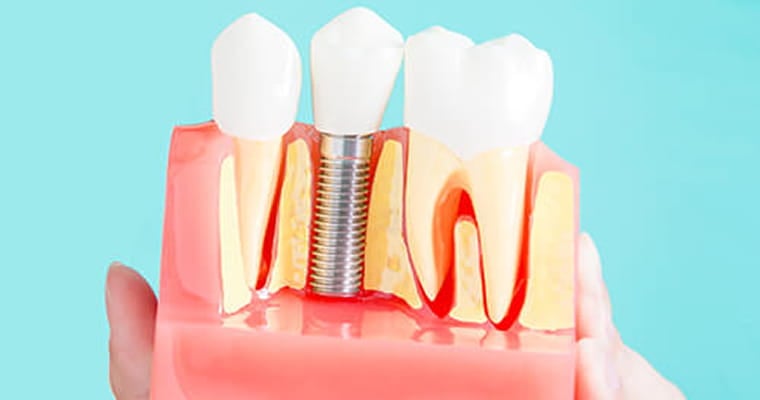
Dental implantsThis link leads to Dental Implants page are titanium posts, also known as the implant body, that serve as artificial tooth roots. They are surgically placed into your jawbone to support prosthetic teeth like crowns, bridges, or dentures. For single tooth replacement, a dental crown is the prosthetic tooth that is attached to the implant, restoring both function and appearance. Dental implants are considered the gold standard in tooth replacement because they mimic the function of natural teeth, offering a stable and durable solution for missing teeth. The procedure involves the placement of an implant device, which bonds with your bone through bone growth. This process, known as bone healing and osseointegration, allows the body to integrate with the implant for long-term stability and functionality, as the implant body provides the foundation for the abutment and prosthetic tooth.
At Dental Implant Center at Walnut CreekThis link leads to Home page, Dr. Quincy GibbsThis link leads to Dr. Gibbs’ page specializes in dental implant surgery and ensures every patient receives a customized treatment plan based on their unique needs and oral health.
What are the types of dental implants?
When it comes to restoring your smile, there are several types of dental implantThis link leads to Dental Implants page procedures designed to meet different needs.
If you have just one missing tooth, a single tooth implant is often the best solution. This involves the dental implant placement of a titanium post into the jawbone, which acts as an artificial tooth root for your new crown.
For those missing all or most of their teeth, full mouth dental implantsThis link leads to Dental Implants page offer a comprehensive solution. This surgical procedure can restore an entire upper or lower jaw with a set of prosthetic teeth supported by as few as four to six implants, providing a stable and natural-looking result.
Another popular option is implant-supported dentures. Unlike traditional dentures, these are attached to the implant posts, giving you greater comfort and security when eating or speaking.
Whether you need to replace one missing tooth or require mouth dental implantsThis link leads to Dental Implants page for multiple teeth, your dental provider will create a personalized treatment plan to ensure the best outcome. Each implant placement is carefully planned to maximize function and aesthetics, so you can enjoy a confident, healthy smile.
How Do Dental Implants Compare to Dentures?
You might be wondering, “Why choose dental implantsThis link leads to Dental Implants page over removable dentures?”
While dentures can be a temporary solution to missing teeth, they often slip, cause discomfort, and require constant adjustment. Conventional dentures are the standard removable option, but unlike implant-supported dentures, they lack secure attachment to the jawbone, leading to less stability and retention.
Dental implantsThis link leads to Dental Implants page, on the other hand, offer a permanent solution that stays securely in place, providing the same stability as natural teeth.
The major benefit of dental implantsThis link leads to Dental Implants page is their ability to replace missing teeth without relying on adjacent teeth for support, unlike traditional bridges. With implants, you can eat, speak, and smile with confidence, all while enjoying better comfort and function compared to removable dentures.
Can I Replace Missing Teeth with Implants?
Yes! If you’re missing most or all of your teeth, full mouth dental implantsThis link leads to Dental Implants page are an excellent option. Dental implants are highly flexible and can be used to replace a single tooth, multiple teeth, or even all of your teeth, depending on how many teeth you need restored.
With full mouth restoration, we can replace your missing teeth using dental implant placement for both your upper and lower jaw. In many cases, we use All-on-4 dental implants, a technique that uses only four implants to support a full set of prosthetic teeth.
By using fewer implants, the All-on-4 approach provides efficient support for a full arch while reducing complexity and the risk of complications. This is a fast, efficient solution that can often be done in one day, allowing you to leave the office with a brand-new smile.
Dr. Quincy GibbsThis link leads to Dr. Gibbs’ page specializes in full mouth dental implantsThis link leads to Dental Implants page and offers a thorough consultation to determine the best treatment for your needs.
How Long Does the Implant Procedure Take?
The length of the dental implantThis link leads to Dental Implants page procedure depends on several factors, including the number of implants you need and the complexity of the case.
For a single missing tooth, the implant procedure may only take one appointment. However, if you need multiple dental implants or full mouth restoration, the procedure may span a few appointments, with a healing period in between.
It is important to allow the gums to heal after implant placement or extractions to ensure proper integration and long-term success.
During the healing process, your dental implantsThis link leads to Dental Implants page will fuse with the bone, ensuring a stable and lasting foundation for your prosthetic teeth.
Once the implant heals, the abutment and final restoration are placed to complete your dental restoration. At Dental Implant Center at Walnut CreekThis link leads to Home page, Dr. Quincy GibbsThis link leads to Dr. Gibbs’ page ensures that each step is carefully planned, so your implants are placed with precision for the best possible outcome.
What Are the Benefits of Dental Implants?
Choosing dental implantsThis link leads to Dental Implants page over traditional dentures offers many benefits. Here are just a few of the reasons why dental implants are considered the best option for tooth replacement:
-
Natural Appearance: Dental implants look and feel like natural teeth, blending seamlessly with your smile.
-
Improved Oral Function: Unlike dentures, dental implants stay securely in place, so you can enjoy eating and speaking without worry.
-
Long-Term Durability: With proper care, dental implants can last for many years—often a lifetime. Implant success depends on factors such as osseointegration, patient hygiene, proper diagnosis, surgical skill, and ongoing maintenance, all of which contribute to the high success rates seen with dental implants.
-
Preserve Jawbone Health: Dental implants stimulate your jawbone, preventing bone loss that can occur with missing teeth.
-
No Damage to Adjacent Teeth: Dental implants don’t require modification of your healthy teeth, unlike bridges that rely on surrounding teeth for support.
With these advantages, successful implants provide lasting benefits for patients seeking a reliable and natural-looking solution to tooth loss.
How Do I Take Care of My Dental Implants?
Taking care of your dental implantsThis link leads to Dental Implants page is crucial to ensuring their long-term success. The good news is, caring for implants is similar to caring for your natural teeth. Here are some tips for keeping your dental implants in top shape:
-
Brush your implants just like your regular teeth, using a soft toothbrush and non-abrasive toothpaste.
-
Floss daily to remove plaque and food particles from around the implant.
-
Regularly visit your dentist for check-ups and cleanings.
-
Avoid hard or sticky foods that could damage your prosthetic teeth.
-
Practice good oral hygiene to maintain the health of your gums and gum tissue, supporting implant stability and preventing infection around the implant site.
At Dental Implant Center at Walnut CreekThis link leads to Home page, we provide guidance on how to maintain your implants and ensure their long-term success. Proper care of the soft tissues, such as the gingiva, is essential for optimal healing and the long-term success of dental implantsThis link leads to Dental Implants page.
Are Dental Implants Right for Everyone?
While dental implantsThis link leads to Dental Implants page are an excellent solution for many patients, they may not be the best choice for everyone. To qualify for implant placement, you need to have adequate bone density to support the implant device.
If you have bone loss, Dr. Quincy GibbsThis link leads to Dr. Gibbs’ page may recommend a bone grafting procedure to ensure that your implants have a stable foundation. It is also important to review your medical history to assess your suitability for dental implantsThis link leads to Dental Implants page and identify any health-related risks.
Additionally, oral health plays a significant role in the success of dental implantsThis link leads to Dental Implants page. If you have untreated gum disease or other oral health issues, they must be addressed before moving forward with dental implant treatment. In particular, periodontal disease should be managed prior to implant placement, as it can significantly affect the success and longevity of your implants.
What Is the Healing Process Like After Dental Implants?
The healing process after dental implantThis link leads to Dental Implants page surgery typically takes several months, as the implants need time to fuse with the jawbone.
During this time, you may wear a temporary bridge or crown to restore your smile while your implants heal. Dr. Quincy GibbsThis link leads to Dr. Gibbs’ page will closely monitor your progress and ensure the healing process goes smoothly.
After your implants have fully healed, your final prosthetic teeth will be placed. Implant abutments, which are small connectors, will be attached to the implants to securely connect the prosthetic restoration, providing support and stability for your new teeth. You’ll enjoy a natural-looking, functional smile.
Can Dental Implants Fail?
While dental implantsThis link leads to Dental Implants page are highly successful, there is a small risk of failure. Implant failure can occur if the implant does not properly fuse with the jawbone or if there is an infection around the implant site.
Implant failure can negatively impact the stability of the remaining teeth and overall oral health, as it may lead to bone loss or shifting of adjacent teeth.
Additionally, patients often seek dental implantsThis link leads to Dental Implants page to replace lost teeth, and failure to restore these can result in ongoing functional and aesthetic issues. However, with proper care and regular follow-up appointments, the risk of failure is minimal.
At Dental Implant Center at Walnut CreekThis link leads to Home page, Dr. Quincy GibbsThis link leads to Dr. Gibbs’ page ensures that each step of the implant procedure is carried out with precision to minimize the risk of complications and ensure long-term success.
How Much Do Dental Implants Cost?
The cost of dental implantsThis link leads to Dental Implants page can vary depending on several factors, such as the number of implants needed, the type of prosthetic teeth used, and whether additional procedures like bone grafting are required.
At Dental Implant Center at Walnut CreekThis link leads to Home page, we offer a range of options to fit your budget, and we provide flexible financing plans to make dental implants more accessible.
What Is the Success Rate of Dental Implants?
The success rate of dental implants is very high, with studies showing a success rate of over 95%. Mini dental implants are also available as a less invasive, cost-effective alternative, offering similarly high success rates for stabilizing dentures or replacing small teeth in specific situations.
Dr. Quincy GibbsThis link leads to Dr. Gibbs’ page and the team at Dental Implant Center at Walnut CreekThis link leads to Home page use the latest techniques and technologies to ensure that your implant placement is as successful as possible.
Ready to Restore Your Smile?
If you’re ready to restore your smile and improve your quality of life, dental implantsThis link leads to Dental Implants page might be the right solution for you. Dr. Quincy GibbsThis link leads to Dr. Gibbs’ page at Dental Implant Center at Walnut CreekThis link leads to Home page specializes in full mouth dental implants and dental implant therapy, offering you the chance to enjoy a new artificial tooth that looks and functions like your natural teeth.
Have you been considering dental implants? What’s holding you back, or what questions do you have about the procedure? Drop a comment below—Dr. Quincy GibbsThis link leads to Dr. Gibbs’ page and our team are here to help!
Key Takeaways:
-
Dental implants are a permanent solution for missing teeth, offering a natural appearance and improved functionality.
-
The dental implant procedure is customized for each patient to ensure the best results.
-
Dr. Quincy Gibbs at Dental Implant Center at Walnut Creek offers full mouth dental implants and other advanced implant dentistry treatments.
-
Proper oral hygiene and regular dental visits are key to the success of dental implants.
-
Patients with existing dentures may be able to convert them to implant-supported solutions, depending on the condition of their current dentures.