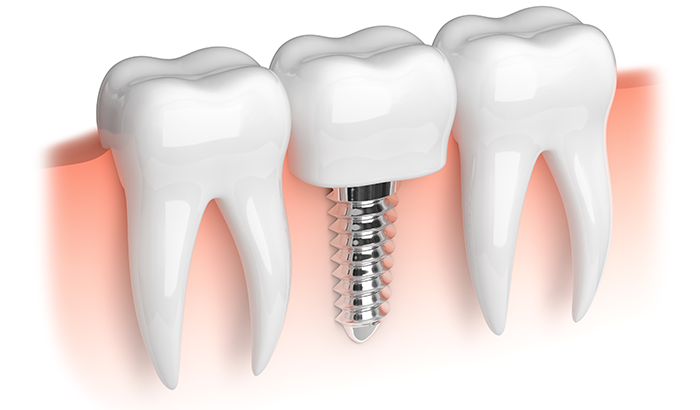
Dental implants offer a revolutionary solution for those seeking to restore their smiles and regain confidence. However, not everyone may be an ideal candidate for this transformative procedure. Certain health conditions can impact the success of dental implant treatment, requiring careful consideration and consultation with a dental professional.
Diabetes
Diabetes, particularly when poorly controlled, can significantly affect the ability of the body to heal properly after dental implant placement. High blood sugar levels can impair wound healing and increase the risk of infections, which are critical considerations for successful implant integration.
Bone Density
Adequate bone density and quality are essential for the successful placement and stability of dental implants. Conditions such as osteoporosis or a history of significant bone loss in the jaw may pose challenges for implant treatment. In such cases, additional procedures like bone grafting may be necessary to ensure a strong implant foundation.
Autoimmune Disorders
Individuals with autoimmune disorders may experience compromised immune function, which can affect the response of the body to dental implant surgery. However, dental implants may still be an option for certain individuals, contingent upon the severity of their condition.
Bruxism
The involuntary grinding, clenching, or gritting of teeth poses significant risks to dental implants. While bruxism is not typically problematic for natural teeth, which can absorb the impact of grinding, implants lack the same resilience. They are susceptible to damage from the pressure exerted during bruxism.
Gum Disease
Individuals afflicted with gingivitis, periodontitis, or any variant of gum disease are ineligible for dental implants. This is attributable to the detrimental impact of these conditions on both the gums and the underlying bone structure. Consequently, extensive bone loss hinders the availability of ample bone for the implant to securely attach. Dental professionals frequently advise addressing gum diseases as a primary course of action before considering dental implantation.
Whether considering dental implants or seeking to maintain oral health, regular dental check-ups and good oral hygiene practices are essential. Schedule a consultation with our dentist today to explore your options.