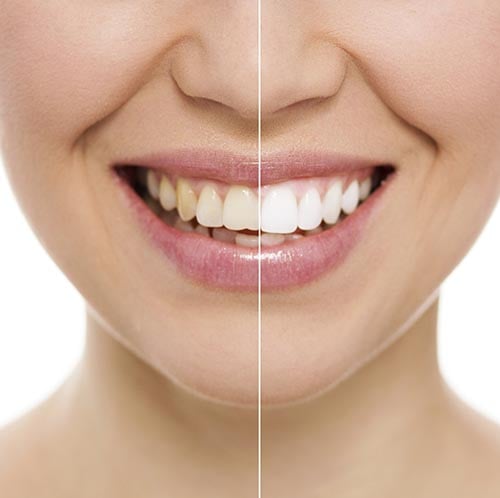
In 1956, the first reported case of tooth staining by tetracycline was witnessed in children. It took some time before this antibiotic could be linked to teeth staining among children. It is believed that many other children were affected over the following decade. If you have teeth staining due to the use of tetracycline, a dentist can use porcelain veneers to cover the imperfections. A dentist can use the same-day CEREM system or he or she can have them created in a lab.
How Tetracycline Stains Teeth
Researchers have linked teeth discoloration to the process of teeth mineralization. Often, tooth mineralization is a continuous process where a person’s teeth constantly lose and gain minerals like calcium. If teeth lose more minerals compared to how they regain them, decay sets in. In young, growing children, mineralization is pretty active. Ingested fluoride is said to help in the process by strengthening the permanent teeth that are developing in children.
Research also shows that if the teeth had been exposed to tetracycline during the time of mineralization or calcification, the antibiotic components tend to bind to the ions of calcium within the teeth. When that occurs before the teeth come in, it causes the teeth to erupt with a fluorescent yellow discoloration. Once the teeth are exposed to light, the tetracycline oxidizes, making the discoloration turn from fluorescent yellow to attain a nonfluorescent grey or brown color. Such discoloration occurs over time, perhaps in months or even years.
The parts where the discoloration occurs in a tooth tend to correspond with the stage of teeth development during the time of exposure to the tetracycline. In most cases, permanent teeth will show less color of the staining, however, it is more widespread on the tooth. Today, doctors refrain from using tetracycline in the second and third pregnancy trimesters and in kids aged up to 8 years. Contact us today if you have discolored teeth to find out how we can improve your smile. Book your appointment.