Key Takeaways:
- Modern dental implants offer comfort, long-term stability, and lasting results.
- Sedation and local anesthesia make dental implant surgery virtually pain-free.
- Most patients report minimal discomfort and fast recovery after their dental implant.
- Generally, dental implant procedures are comfortable and associated with minimal discomfort for most patients.
- The right dental professional ensures a confident, comfortable experience from start to finish.
One of the most common questions patients have is whether dental implantsThis link leads to Dental Implants page hurt. Addressing this concern is important, as many people worry about pain during and after the procedure. Understanding what to expect can help ease anxiety and ensure a smoother experience.
Introduction to Dental Implants
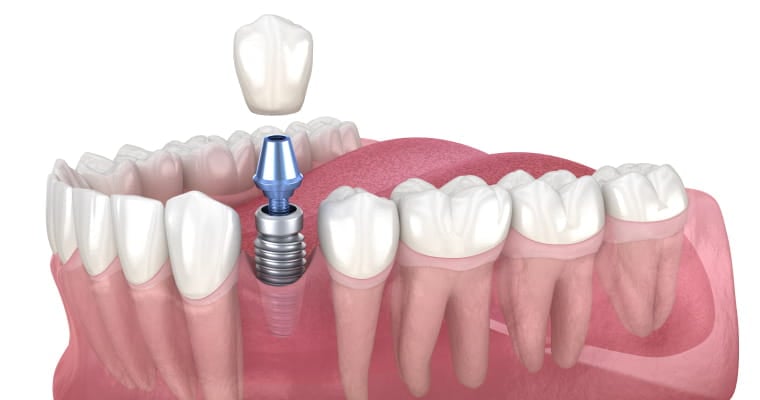
Dental implants are a modern, reliable option for replacing missing teeth and restoring both your smile and your ability to eat and speak with ease. The dental implant procedure involves surgically placing a titanium post into the jawbone, which acts as an artificial tooth root.
Over time, this titanium post fuses with the bone in a process called osseointegration, creating a strong foundation for your new tooth. Dental implants can be used to replace a single tooth, several teeth, or even to support dentures and bridges, making them a versatile solution for many individuals.
Patients with healthy gums and jawbone are typically good candidates for this procedure, and the results help restore confidence and function for years to come.
The Dental Implant Procedure
The dental implant procedure begins with a thorough consultation, where your dentist will review your oral health and determine if you are a good candidate for implants. This includes taking impressions of your teeth and gums, as well as a series of X-rays or scansThis link leads to Dental Technology page to assess the area and the condition of your jawbone.
If you have gum disease or other conditions that could affect the outcome, your dentist will recommend treatment before moving forward. When it’s time for the implant placement, the area is numbed with local anesthesia to ensure minimal pain.
The dentist then makes a small incision in the gum to access the bone and surgically places the titanium post. This careful, step-by-step process is performed with your comfort and health as the top priorities.
Are dental implants painful?
Probably the number one question we hear at Dental Implant Center at Walnut Creek is, “Will it hurt?” We get it—no one wants pain at the dentist. The good news? With today’s technology, sedation options, and expert care, most dental implant surgeries are easier than expected. The procedure is both comfortable and straightforward.
Here in Walnut Creek, CA, our board-certified prosthodontistsThis link leads to the Team page make sure every dental implant surgery is gentle, predictable, and guided by your comfort. Local anesthesia is used to numb the area, ensuring you do not feel pain during the procedure.
If you’ve been holding back because of fear, this article will help you understand what to expect and why modern implant surgery offers a comfortable procedure from start to finish.
How painful are dental implants the next day and what pain medication is needed?
Most patients report only mild pain and discomfort for a day or two. It’s often handled with simple pain medication like Tylenol or ibuprofen. We’ll also give you tips to reduce swelling—like using an ice pack and eating soft foods. Rinsing your mouth gently with warm salt water can also help soothe the area and promote healing.
Because dental implant surgery is a minor surgery, you can expect fast healing and minimal pain around the surgical site.
What can I eat after dental implant surgery to minimize pain and aid healing?
For the first few days, soft foods like mashed potatoes, yogurt, and soup are best. These choices protect the dental implant site while your gums heal.
As your healing process continues, we’ll guide you back to your normal diet step by step to ensure proper care and protect your oral health.
How long does the pain and discomfort last after a single tooth implant?
After a single dental implant procedure, most discomfort fades within forty-eight hours. The dental implant area may feel tender, but minimal pain is normal. Within a week, most patients report they can chew comfortably again and enjoy meals without worry.
Is bone graft pain worse than the actual dental implant placement?
Great question—and an easy one to answer. Most patients find bone graft discomfort to be about the same or even less than the implant itself. Both are surgical procedures done under local anesthesia or oral sedation, and any soreness fades quickly.
Bone grafting may be required before dental implant surgery if there is insufficient bone support in the jaw. Proper bone growth ensures a strong jaw bone foundation for your new artificial tooth root.
What is the healing process and pain level for dental implantsThis link leads to Dental Implants page with IV sedation?
With IV or oral sedation, you’ll feel deeply relaxed and won’t remember much of the dental procedure. The healing process afterward usually involves minimal discomfort.
We monitor your jaw bone and gum tissue closely to ensure smooth recovery and encourage new bone growth around the titanium post. Osseointegration helps create a stable foundation for the dental implant by supporting this bone growth.
How to manage swelling and pain after a full mouth dental implant procedure?
For full mouth dental implantsThis link leads to Dental Implants page, we recommend a soft diet, rest, and ice packs. The procedure can cause temporary discomfort in the gums and jaw, as these areas are affected during surgery. Some patients may experience more discomfort simply due to several teeth being treated, but strong aftercare and proper pain medication make recovery manageable.
The healing time depends on your individual pain tolerance and overall oral health.
Abutment and Final Restoration
Once the titanium post is securely in place, the gum is closed over the implant and the healing process begins. During this time, the bone gradually grows around the implant, anchoring it firmly in your jaw.
This phase can take several months, but you may be given a temporary bridge or crown to maintain your smile and function. When healing is complete, your dentist will attach an abutment to the titanium post, which serves as a connector for the final restoration.
Impressions are taken to create a custom crown or bridge that matches your natural teeth in color and shape. The final restoration is then attached, allowing you to enjoy a tooth that looks, feels, and functions just like the real thing.
Artificial Teeth
Artificial teeth are carefully crafted to blend seamlessly with your natural smile. Your dentist will help you choose the best option for your needs, whether it’s porcelain, ceramic, or composite resin.
The type of material may vary depending on the location of the implant—implants in the upper jaw, for example, may require a different approach than those in the lower jaw. Throughout the process, your dentist will ensure that the artificial tooth is securely attached to the abutment and implant, providing a comfortable and durable solution.
Each restoration is tailored to the patient, ensuring a natural appearance and reliable function.
What are the signs of normal pain vs. nerve damage after a tooth implant?
Mild throbbing, slight swelling, and tenderness are normal. Anesthesia numbs the nerves and surrounding tissues to prevent pain during the procedure. Sharp or lingering pain that spreads to the jaw or face is not.
We use 3D imaging to avoid nerves surrounding the implant site, ensuring safe dental implant placement and long-term success without nerve damage.
Bone Growth and Implant Success
The success of a dental implant depends on healthy bone growth around the implant site. This process, known as osseointegration, is crucial for creating a stable base for your new tooth.
During the healing period, it’s important to follow your dentist’s instructions, including eating soft foods, gentle brushing, and avoiding smoking, which can potentially lead to complications. Regular check-ups allow your dentist to monitor the growth and address any concerns that may arise.
By taking good care of your implant and maintaining overall oral health, patients can help ensure a smooth healing process and enjoy the benefits of their new teeth for many years.
Dental implant recovery timeline day by day for pain and swelling
Day 1: Local anesthesia wears off; mild soreness begins. The point at which the implant post is placed into the bone is a critical stage in the procedure.
Day 2: Minor swelling peaks—use an ice pack.
Day 3: Pain starts to fade; switch to soft foods.
Day 5–7: Most patients report feeling normal again.
With proper care, gums heal quickly, and your implant integrates with the jaw bone through a process called osseointegration.
Can you get dental implants with a low pain tolerance and what are the options?
Absolutely. We offer oral sedation, local anesthesia, and even general anesthesia for comfort. The choice of anesthesia or sedation depends on the specific case and patient needs. Even patients with low individual pain tolerance are amazed by how comfortable the implant surgery feels.
Minimal discomfort and a calm, predictable experience are our priorities.
How will I feel like after implant surgery based on previous patients?
Most patients describe it as pressure, not pain. Some compare it to the feeling after tooth extraction—noticeable but tolerable. Many patients report mild tightness around the surgical site for a day or two, followed by quick relief as the healing process continues.
Is it true that dental implants aren’t as painful as people think?
Yes! Modern implant surgery is gentle and efficient. Dental implants mimic the function of natural tooth roots by integrating with the jawbone, providing stable support for artificial teeth. With precise planning, expert dental professionals, and advanced anesthesia, dental implantsThis link leads to Dental Implants page painful is no longer the reality.
Most patients are pleasantly surprised by how minimal the discomfort really is.
What kind of anesthesia or sedation do you use to keep me comfortable during the procedure?
We tailor sedation to your comfort level—local anesthesia for simple dental procedures, or IV sedation for complex cases. Our prosthodontists and oral surgeon ensure your dental implant surgery feels calm and safe from start to finish. You’ll wake up relaxed, not stressed.
I’m feeling really nervous and dreading the pain. How can you help someone like me feel at ease?
You’re not alone. Many patients arrive nervous, but our gentle approach builds trust from the start. Our team is dedicated to helping patients manage their concerns and feel comfortable throughout the process.
We explain every part of the dental implant procedure, offer sedation choices, and make sure you’re comfortable before and after implant placement. You’re always in control of your experience.
During a consultation, can you show me what my options are and explain the plan so I know exactly what to expect?
Absolutely. At Dental Implant Center at Walnut Creek, your first visit includes a 3D scan, evaluation of your bone structure, and a customized treatment plan. You’ll understand your tooth replacement options, recovery timeline, and costs before we begin.
During your consultation, you can learn more about dental implantsThis link leads to Dental Implants page and the available treatment options. We believe informed patients make confident decisions.
“At Dental Implant Center at Walnut Creek, our patients often say the most surprising part of their dental implant experience is how comfortable it feels. With gentle planning, precise implant surgery, and modern sedation, discomfort stays minimal and healing is fast.” — Dr. Quincy Gibbs
Your brighter smile journey
If you’ve been putting off treatment because you’re afraid of pain, it’s time to rethink modern dental implant care. Dental implants shouldn’t hurt—they should restore your smile and confidence. With expert doctors, advanced techniques, and genuine compassion, your new artificial tooth will look, feel, and function like your natural teeth.
For updates, personalized content, or to contact our practice for more information, sign up with your email today.