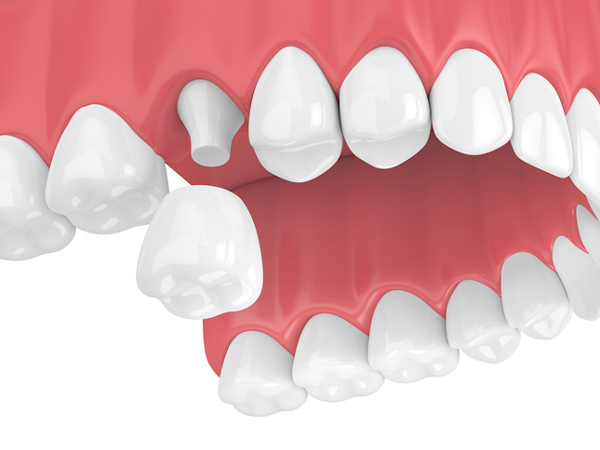
Think of a dental crown as a protective shield for your tooth. When a tooth has been weakened by decay, a large filling, a fracture, or other damage, a dental crown restores its strength, function, and appearance. While crowns are designed to be durable, they still require proper care to help them last as long as possible.
Here’s what you need to know about keeping your dental crown in excellent condition.
Understanding Your Dental Crown
A dental crown is a custom-made restoration that completely covers a damaged tooth. It protects the remaining tooth structure while restoring its natural shape, size, and function. Crowns are commonly recommended after root canal treatment, for severely worn or cracked teeth, or to support large fillings that no longer provide enough strength.
Dental crowns can be made from several materials, including porcelain, ceramic, metal alloys, or porcelain fused to metal. Your dentist will recommend the best option based on the location of the tooth, your bite, and your cosmetic goals.
Maintain Excellent Oral Hygiene
Although a crown cannot develop cavities, the natural tooth underneath it still can. Bacteria and plaque can accumulate around the edge of the crown, increasing the risk of tooth decay and gum disease if not removed regularly.
To keep both your crown and surrounding teeth healthy:
Brush twice a day using a fluoride toothpaste.
Floss at least once daily to remove plaque between your teeth.
Clean carefully around the gumline where the crown meets the natural tooth.
Consider using an antimicrobial or fluoride mouth rinse if recommended by your dentist.
Consistent oral hygiene is one of the most important factors in extending the life of your dental crown.
Brush and Floss the Right Way
Use a soft-bristled toothbrush and gentle circular motions when cleaning around your crown. Brushing too aggressively can irritate your gums and contribute to gum recession, which may expose the margin of the crown.
When flossing, carefully slide the floss between your teeth and move it up and down against each tooth surface. Avoid snapping the floss into your gums, as this can cause irritation. If your dentist has recommended special floss or interdental brushes, be sure to include them in your daily routine.
Protect Your Crown with Healthy Habits
Your everyday habits can have a significant impact on the longevity of your dental crown.
To reduce the risk of damage:
Avoid chewing on ice, hard candy, popcorn kernels, or other hard objects.
Limit sticky foods like caramel or taffy that could loosen a crown.
Reduce sugary snacks and beverages that encourage plaque buildup around the crown.
Never use your teeth to open packages or bite non-food items.
If you clench or grind your teeth, especially while sleeping, ask your dentist about a custom night guard. Wearing one can help prevent excessive force that may crack or wear down your crown.
Visit Your Dentist Regularly
Routine dental checkups are essential for protecting your investment. During your appointment, your dentist will examine your crown to ensure it fits properly, remains securely bonded, and shows no signs of wear or damage.
Professional cleanings also remove hardened plaque and tartar that brushing and flossing cannot eliminate at home. Catching small issues early can often prevent more extensive treatment later.
Know When to Call Your Dentist
While dental crowns are highly durable, they aren’t indestructible. Contact your dentist if you experience:
Pain or sensitivity around the crowned tooth
A loose or wobbly crown
A chipped or cracked crown
Swelling or bleeding around the gumline
Difficulty biting or chewing comfortably
Prompt treatment can often save the crown and protect the underlying tooth.
Keep Your Crown Strong for Years to Come
With proper care, many dental crowns can last 10 to 15 years or even longer. Daily brushing and flossing, healthy eating habits, avoiding damaging behaviors, and attending regular dental checkups all contribute to extending the life of your restoration.
If you have questions about caring for your dental crown or think your crown may need attention, schedule an appointment with your dentist. A little preventive care today can help keep your smile healthy and functional for years to come.