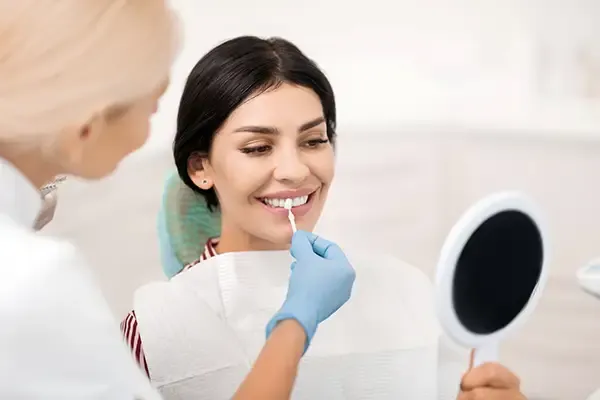
Thinking about getting a smile makeover? Dental veneers are a popular option for improving the appearance of teeth. They’re thin shells that are bonded to the front surface of your teeth, correcting issues like discoloration, chips, or gaps. While veneers can be a fantastic solution for many, they aren’t right for everyone. Before you jump in, let’s look at some situations where dental veneers might not be the best choice.
Existing Tooth Decay or Gum Disease
Your mouth needs to be healthy before getting veneers. If you have untreated tooth decay (cavities) or gum disease (gingivitis or periodontitis), these problems need to be addressed first. Putting veneers on teeth with decay can trap bacteria, making the decay worse. Gum disease can cause the gums to recede, exposing the edges of the veneers and potentially leading to failure. It’s like building a house on a shaky foundation. Always prioritize your oral care and make sure any existing dental issues are resolved before considering cosmetic enhancements.
Insufficient Tooth Enamel
Veneers require a certain amount of healthy tooth enamel to bond properly. If you have significantly worn-down enamel due to erosion or grinding, there might not be enough surface area for the veneer to adhere to. In these cases, other options like crowns might be more suitable to provide adequate support and protection. Your dentist will assess your enamel during your consultation to determine if veneers are a viable option.
Severe Teeth Grinding or Clenching (Bruxism)
If you grind or clench your teeth excessively, especially at night (a condition called bruxism), veneers may not be a good idea. The constant pressure can damage or even fracture the veneers. While a nightguard can sometimes help mitigate the effects of bruxism, severe cases might still pose a risk to the longevity of veneers. Addressing the underlying cause of the grinding or clenching, along with exploring alternative solutions, is crucial.
Significantly Misaligned Teeth
While veneers can correct minor misalignments, they aren’t a substitute for orthodontics (like braces or clear aligners). If your teeth are severely crooked or have significant bite issues, orthodontic treatment is usually the better first step. Correcting the alignment will not only improve your smile’s appearance but also improve your overall oral health and bite function. Once your teeth are properly aligned, veneers can then be considered to address any remaining cosmetic concerns.
Unrealistic Expectations
It’s important to have realistic expectations about what dental veneers can achieve. They can significantly improve the appearance of your smile, but they aren’t a magic bullet. They won’t drastically change the shape of your face or make you look like a completely different person. Communication with your dentist is key. Discuss your goals and concerns openly to ensure that veneers can meet your expectations. Reviewing before-and-after photos can also help you visualize the potential results.
Poor Oral Hygiene
Veneers require the same level of care as natural teeth. Consistent brushing, flossing, and regular dental check-ups are essential to maintaining their appearance and preventing problems. If you struggle with maintaining good oral hygiene, veneers might not be the best choice. Poor oral hygiene can lead to plaque buildup, gum disease, and ultimately, veneer failure. Focus on establishing a solid oral care routine before considering veneers. Remember, preventive dentistry is key.
Ultimately, the decision of whether or not to get dental veneers is a personal one that should be made in consultation with your dentist. They can assess your individual situation, discuss your goals, and help you determine the best course of action for achieving a healthy and beautiful smile.